AR industrial visual inspection system

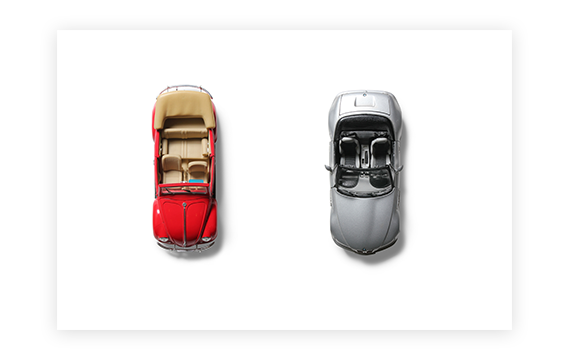
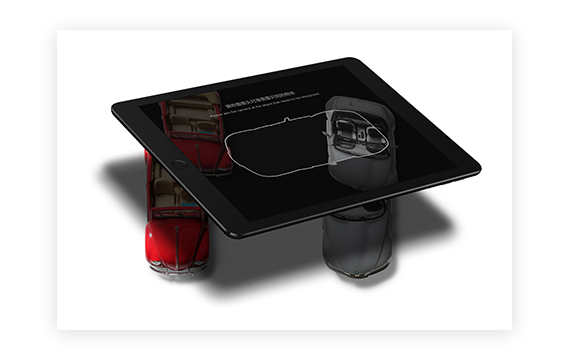
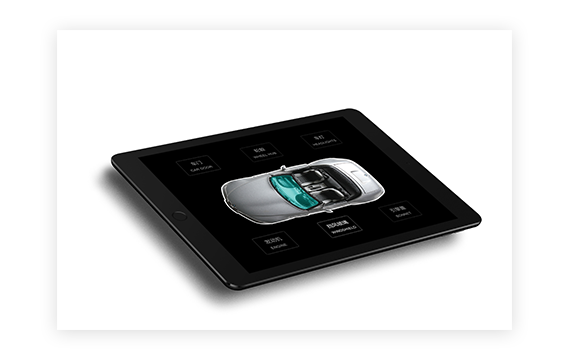
The camera equipment can scan the physical objects to help check whether there are defects in the appearance of products or mechanical parts produced on the assembly line; It also can scan actual objects, identify and display corresponding digital models, and add interactive functions and graphic information to allow users to experience the mechanism of mechanical part construction and the process of disassembly and assembly.

Platform Support

  • Mobile Devices

    Android Phones

    iOS Phones

    Tablet PC

  • PC

    Desktop

    Laptop

    Tablet PC

  • Wearable Device

    HTV vive

    Hololens

    BT-300

  • Web

Functional Features

  • Through comparing real object and virtual model, the system enables trainees to intuitively and easily grasp the operation process in maintenance training.

  • Scan and identify parts, check appearance and identify defective and unqualified products.

  • Adopt 3D to conduct intelligent detection such as dimension, and conduct internal tracking by matching with total parameters.

A physical object based on augmented reality combination technology is provided, and it displays the spatial relationship and relevance between the 3D virtual object and the physical object. The advantage is that augmented reality can produce more interesting images and interactive experiences. The application of the physical object recognition method to physical object not only improves the interaction experience between users and rich media files in 3D engine, but also ensures the interests of the copyright owner. The correlation between rich media files and physical content further enhances the immersion of augmented reality. The present invention provides a whole set of system solutions from three aspects: user experience, copyright interests and application methods of rich media files in 3D engine. In addition, a training statistics system has been added to publish and accumulate training-related statistics through data statistics in activities such as training.

Technical Characteristics

  • Multiple hidden layers and activation functions are adopted to replace the activation function, and the recognition rate is higher in the complex industrial environment.

  • Develop the EIF framework of entity recognition technology, and transform the similarity relationship between tuples into a graph model.

  • Use the algorithm to solve the entity recognition problem, and define and analyze independence, consistency and integrity of the entity recognition rule system.

  • The self-developed algorithm is used to solve the identification problems in different light and shadow environment in physical recognition.

Application Fields and Implication

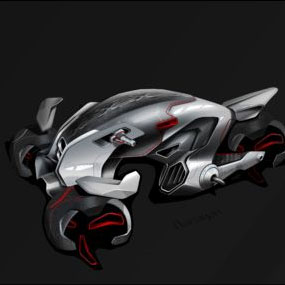
Automobile Industry
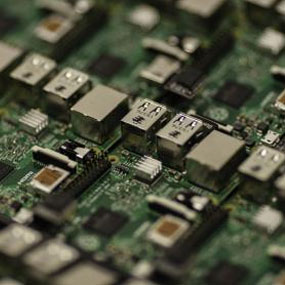
Electronic Engineering
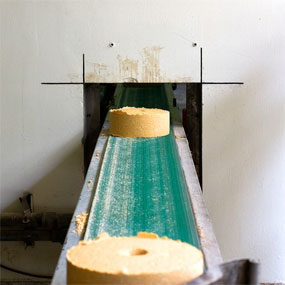
Food Production
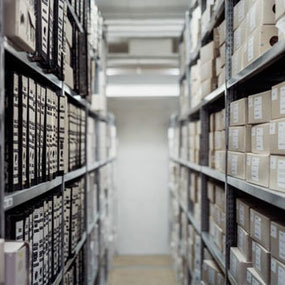
Storage
Semiconductor Materials
Medical Treatment
Printing & Packaging
Manufacture

At present, recognition technology has been widely used in multimedia technology, image database, industrial detection and military. In the industrial field, the application of recognition technology has changed its direction from defense industry to civil industry, which promotes the wide application of image processing and computer vision detection technology in industrial field. Its biggest characteristic is that it can conduct nondestructive testing and measurement, which is especially important for quality inspection of finished products in production. It can guarantee the quality of products, improve productivity and liberate manpower. Using this technology is also an important way to reduce production cost, improve product quality and production efficiency, and ease the high cost of labor.